

We arrived at the ‘Mini Beer Bar’. I turned to D: “Bit early, don’t you think?” Mini Beer man looked at us and said: “Well… maybe, but this is a festival…”
After hearing about small beers, we decided coffee may be more fitting given the hour at this most edifying of outdoor gatherings which annually draws summer firmly to a close.
AI was all over the place, in every speaker’s address, on every person’s lips.
Nick Clegg, Philip Stephens and Lea Ypi contributed to a panel discussion on whether democracy could survive AI advances. “There’s a power paradox with it” Nick said. “AI both empowers people and aggregates power in the hands of a tiny amount of men in the world – those that run the tech companies. You need politics to intervene… technology can’t be isolated as the entire problem in society.” Philip echoed this sentiment: “Politicians need to restore a social contract – if people work hard they’ll be rewarded. It means taming the tech giants.”
In the complex narrative surrounding our fourth industrial revolution and frustrated attempts to understand it, Yuval Harari cut through the noise: “This is the first time we’ve produced a technology which has agency: it can invent ideas by itself in, for example finance, religion and politics. Humans cannot regulate AI because they don’t have all the information. We need to focus on immediate questions like, should AI be able to open a bank account? The onus is on leaders to deal with the immense forces being unleashed.”
A cloud lingered over the sun. We paused at Louis Roederer: “What do you think, D?”
“Shall we?” he replied.
We stared at the champagne bar momentarily and then ambled on, neither really feeling the draw of bubbles.
Next stop was the FT Weekend literary interview with David Nichols. Following the triumph of One Day, his latest novel creates friction by throwing his main characters together – as opposed to keeping them apart. He figured dropping them into a muddy field as opposed to a city backdrop of restaurants and cafes could create a more comedic element.
The inevitable question came on AI and fiction. David responded: “It’s a bit like buying a bicycle back from someone who stole it from you. Sure, it’s useful for summarising, re-writing and editing, but that’s the part I love doing!”
‘How to quit it – from screens to substances’ had D and I turning to one another as the session drew to a close. “I’m tired” I said, “Me too” D replied.
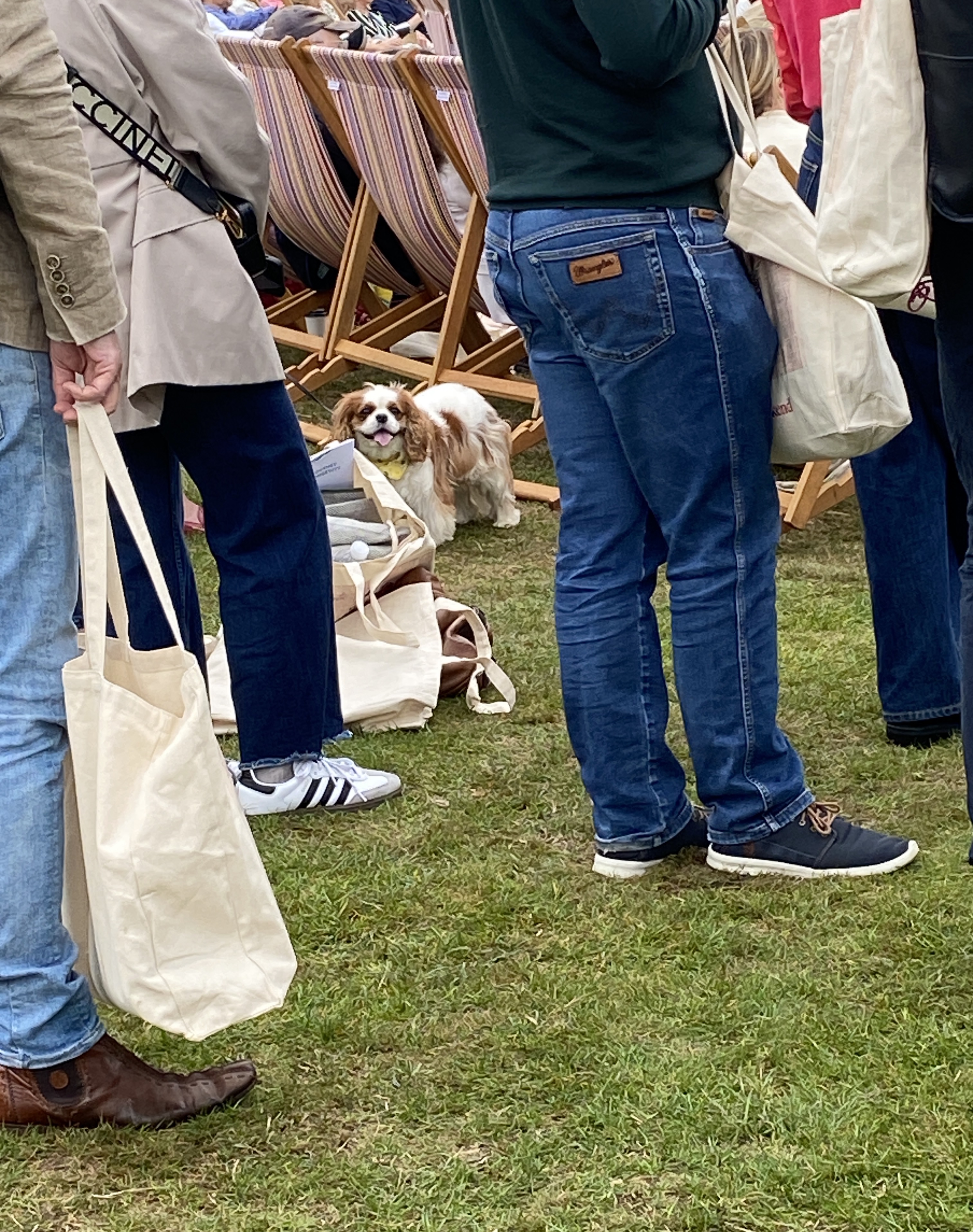
We smiled at each other, picked up our bags and wandered out of the tent and onto the soft sunlit grassy slope overlooked by Kenwood House. We thanked people at the exit, briefly sharing what we’d enjoyed this year.
Sinking into the back of a taxi we talked dinner plans, debated the opinions we’d heard, laughed at shared memories from the day and with relief, slowly made our way back to the here and now.
Photo: ‘A world in turmoil: nationalism, populism, migration, AI advances – can democracy survive?’ with Lea Ypi, Nick Clegg, Philip Stephens and Alice Fishburn.

 Conversations with Strangers